
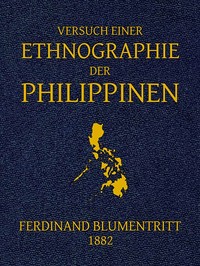
Versuch einer Ethnographie der Philippinen by Ferdinand Blumentritt
Let's be clear from the start: this isn't a page-turner in the traditional sense. There's no protagonist chasing a villain. Instead, the "story" is Blumentritt's monumental effort to build a complete picture of the Philippine archipelago for a European audience that knew almost nothing about it.
The Story
Think of this book as a giant, organized catalog of a nation. Blumentritt systematically goes through it all. He maps out the different ethnic groups—the Tagalogs, Visayans, Igorots, and many more—detailing their languages, customs, and social structures. He dives into history, from pre-colonial times through the Spanish arrival. He looks at geography, religion, and even botany. The driving force isn't plot, but a relentless curiosity and a deep respect for his subject. The narrative is his journey of discovery and his urgent need to share it.
Why You Should Read It
You read this for the perspective. It’s staggering to see the Philippines through the eyes of a sympathetic outsider over 140 years ago. His respect for Filipino culture is palpable and was radical for its time. He corrects European misconceptions constantly. You can feel his frustration with colonial attitudes and his genuine admiration for the people he's studying. It’s also a bittersweet time capsule. Reading his descriptions of traditions and places creates a bridge to a past that has changed dramatically. It makes you think about who gets to write history and why a voice like Blumentritt's was so rare and valuable.
Final Verdict
This is a specialist's book, but its appeal is broader than you might think. It's perfect for history buffs with a focus on Southeast Asia, or anyone interested in how cultures were studied (and often misrepresented) in the 1800s. It's also deeply rewarding for Filipinos looking for a unique, foundational text about their own heritage, written by a surprising ally. If you enjoy primary sources that let you peer directly into a historical moment, this is a goldmine. Just don't expect a novel—expect a fascinating, detailed, and passionately composed argument for seeing a people and a place on their own terms.
The copyright for this book has expired, making it public property. You can copy, modify, and distribute it freely.
Christopher Martinez
2 months agoI decided to give this a try based on a colleague's recommendation, the clarity of the writing makes even the most dense sections readable. A refreshing and intellectually stimulating read.
Mark Wright
6 months agoThe formatting on this digital edition is flawless.
Sandra Thomas
10 months agoHaving read this twice, the arguments are well-supported by credible references. Don't hesitate to start reading.
Emma Anderson
8 months agoI was skeptical at first, but the character development leaves a lasting impact. Absolutely essential reading.



Margaret Anderson
1 year agoThe analytical framework presented is both innovative and robust.