
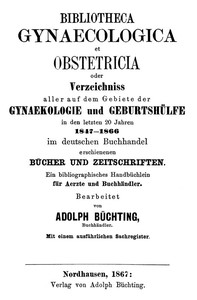
Bibliotheca Gynaecologica et Obstetricia, oder, Verzeichniss aller auf dem…
Let's be clear upfront: this is not a novel. You won't find a sweeping plot or deep characters here. Bibliotheca Gynaecologica et Obstetricia is exactly what its sprawling Latin and German title promises: a 'Library of Gynecology and Obstetrics,' or a catalog of all the books on those subjects known to its compiler. Published in 1774, it's a giant list. Page after page details author names, book titles, publication dates, and sometimes brief notes on content, all focused on the medical care of women.
The Story
There is no traditional narrative. The 'story' is the act of compilation itself. An anonymous figure (we only know them as 'Unknown') spent what must have been years tracking down every text they could find on midwifery, women's diseases, childbirth, and female anatomy. They organized this sea of information, creating a map of an entire medical field as it stood in the late 1700s. The conflict is quiet but profound: it's the tension between the dry, clinical list and the intensely personal, often life-or-death subject matter it describes. It's the gap between the anonymous cataloger and the thousands of women's experiences referenced in the titles of the books they collected.
Why You Should Read It
You read this to listen to history whisper. It's a reference work, but it speaks volumes about ambition and erasure. Someone believed this knowledge was important enough to catalog, to preserve. Flipping through it (or reading about it), you get a snapshot of what 'authoritative' knowledge looked like then. You see which texts were repeated, which authors were cited. But you're also constantly reminded of the silence—the unnamed midwives, the mothers, the patients whose practical knowledge may never have made it into a printed book. It makes you ask: who was this for? Doctors? Students? Or was it an attempt to build a monument to a discipline? It's a deeply human project, frozen in the most technical form.
Final Verdict
This is a niche, fascinating read for a very specific audience. It's perfect for history buffs, especially those interested in the history of medicine, women's studies, or the history of knowledge itself. It's also great for anyone who loves 'book history'—the story of how books were made, sold, and collected. If you're looking for a fast-paced story, look elsewhere. But if you enjoy piecing together a puzzle from historical fragments and pondering the anonymous people who shaped our understanding of the world, this mysterious catalog offers a unique and strangely compelling window into the past.
This title is part of the public domain archive. Use this text in your own projects freely.
Noah White
10 months agoI was skeptical at first, but the clarity of the writing makes this accessible. I would gladly recommend this title.
Betty Williams
10 months agoI had low expectations initially, however the storytelling feels authentic and emotionally grounded. Definitely a 5-star read.
Barbara Gonzalez
2 years agoFive stars!


Charles Miller
4 months agoVery helpful, thanks.